Stress Relief Adult Coloring Book Pages: A Designer's Asset
In the fast-paced world of modern design, finding assets that serve both a functional and deeply human purpose is a rare win. The concept of Stress Relief Adult Coloring Book Pages has evolved from a simple hobby into a sophisticated design category, offering creators a unique tool for visual communication and therapeutic branding. For graphic designers, marketers, and entrepreneurs, understanding and leveraging these intricate designs can open new avenues for creative projects and digital products that genuinely resonate with audiences seeking mindfulness and calm.
The Visual Language of Relaxation and Mindfulness
At its core, the power of these coloring pages lies in their visual design. The intricate patterns—mandalas, florals, geometric abstractions, and nature scenes—are carefully crafted to guide the eye and engage the mind. This isn't just doodling; it's an exercise in visual hierarchy and composition. The deliberate use of negative space, balanced symmetry, and flowing lines creates a built-in structure that promotes focus. For a designer, this represents a masterclass in creating layouts that reduce cognitive load, a principle directly applicable to UI design, UX design, and editorial layouts where clarity is paramount.
Practical Applications for Creative Professionals
The utility of high-quality coloring page assets extends far beyond the printed book. They are versatile creative assets that can enhance a wide array of projects:
- Branding and Identity: Use the intricate patterns as subtle background textures or hero imagery for brands in the wellness, yoga, or mental health space. They can inform a color palette and inspire logo design elements that convey tranquility and sophistication.
- Digital Marketing & Social Media: Create engaging social media graphics, Instagram Stories, or Facebook ads that invite interaction. A "color this section" call-to-action can dramatically boost user engagement and time spent with your content.
- Packaging & Print Design: These designs are perfect for packaging design for products like artisanal teas, candles, or spa kits. The high-resolution, print-ready files ensure a professional presentation that elevates the unboxing experience.
- Web and UI Design: Incorporate simplified versions of the patterns as decorative elements, loading animations, or section dividers to add a human, tactile feel to a web design project.
- Merchandise and Digital Products: Beyond KDP interiors, the designs can be adapted for journals, planners, greeting cards, posters, and digital wallpaper, creating a cohesive brand identity across multiple touchpoints.
Evaluating and Implementing Design Assets Effectively
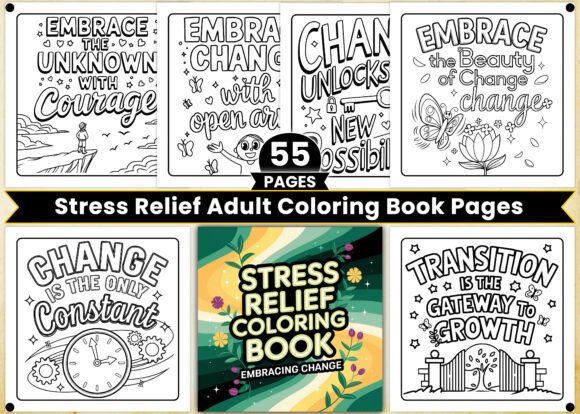
When selecting a bundle like a set of 55 stress-relief pages, a designer must look beyond the quantity. Key evaluation criteria include:
- Scalability and Format: The inclusion of editable EPS vector files is critical. Vectors allow for infinite resizing without loss of quality, essential for everything from a small icon to a large-format banner. Ensure the asset package includes multiple formats (JPG, PNG, PDF) for workflow flexibility.
- Consistency and Cohesion: Do the 55 pages share a consistent visual design language? A unified style ensures they can be used together in a book or across a marketing campaign without visual dissonance.
- Audience and Goal Alignment: Match the complexity of the designs to your project's goal and audience. Highly intricate patterns are ideal for deep focus, while simpler, more open designs might be better for broader, quicker engagement.
Thoughtful integration is key. Use these patterns to support, not overwhelm, your core message. In a presentation, a subtle mandala background can enhance a slide about mindfulness strategies. On a website, a floral border can frame a testimonial section beautifully. The goal is to use these creative assets to create a specific mood and guide the user's emotional response, which is a fundamental aspect of effective visual communication.
Ultimately, incorporating resources like thoughtfully designed stress-relief coloring pages into your toolkit is about embracing a design philosophy that values both aesthetics and human experience. It demonstrates an understanding that the best graphic design does more than just look good—it feels right, communicates a clear intent, and fosters a connection. By selecting and applying such assets with intention, designers and creators can produce work that is not only visually striking but also genuinely impactful, turning every project into an opportunity for calm, focus, and creative expression.