Magnolia Vintage Vol. 1: Elevating Design with Timeless Texture
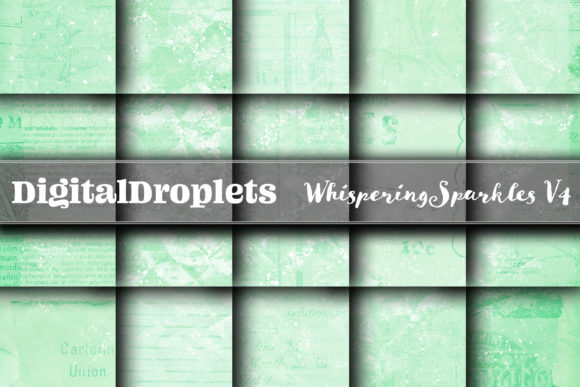
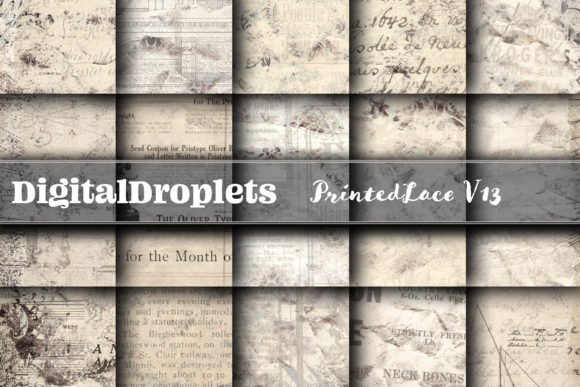
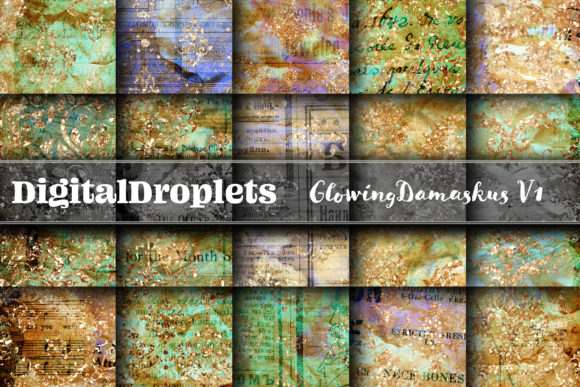
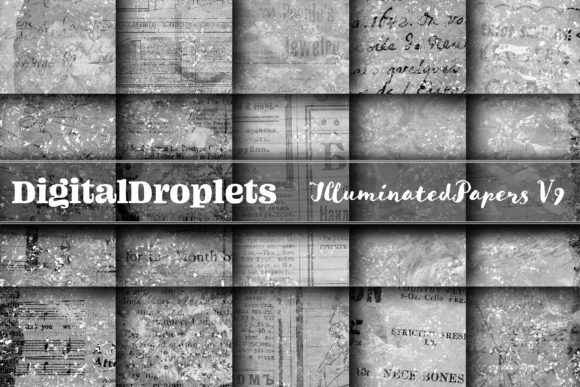
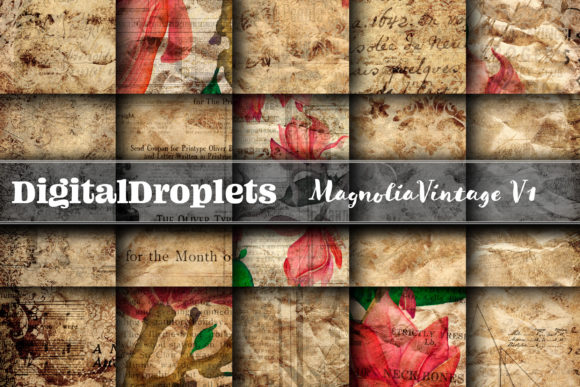
The right background can transform a simple design into a compelling story, and the Magnolia Vintage Vol. 1 | Collection offers precisely that narrative depth. This curated set of 10 vintage paper backgrounds, featuring crumpled textures, lace patterns, and delicate magnolia blossoms, provides a sophisticated foundation for a wide range of creative projects. Moving beyond generic digital textures, these assets inject authentic, tactile warmth into your work, making them invaluable for designers seeking to add character and emotional resonance.
In an era dominated by clean, minimalist digital interfaces, vintage and textured elements create a powerful visual contrast. They evoke nostalgia, craftsmanship, and a sense of history that can significantly strengthen a brand's identity. The Magnolia Vintage Vol. 1 | Collection is more than just decorative paper; it's a strategic design tool. Its unique combination of newspaper-style writing, intricate borders, and floral overlays allows for immediate visual hierarchy and a distinct aesthetic that can set a brand apart in crowded markets like packaging design, editorial layouts, and social media graphics.
Practical Applications for Modern Creatives
Integrating these vintage papers into your design workflow can enhance numerous project types. Their high-resolution, 12x12 inch, 300dpi format ensures professional quality for both digital and print applications.
- Brand Identity & Logo Design: Use these textures as backgrounds for mood boards, brand style guides, or within logo presentations to communicate a heritage, artisanal, or boutique brand ethos.
- Marketing & Social Media: Create standout Instagram stories, Facebook banners, or email newsletter headers. The textured backgrounds ensure your graphics are visually engaging and scroll-stopping, improving user engagement.
- Editorial & Web Design: Perfect for blog post featured images, website hero sections, or magazine-style layouts. They add depth and visual interest, guiding the user's eye and enhancing the overall reading experience.
- Packaging & Print Design: Ideal for labels, hang tags, gift wrap, and stationery. The tactile illusion provided by the digital texture elevates the perceived value of physical products.
Integrating Vintage Assets with a Modern Design Workflow
While vintage assets are powerful, their effective use requires thoughtful integration to maintain a cohesive and professional presentation. Consider these factors when working with collections like Magnolia Vintage Vol. 1:
- Maintain Visual Hierarchy: Use the textured paper as a background, ensuring foreground elements like typography and logos have sufficient contrast and clarity. A semi-transparent overlay or a solid color panel can help text remain readable.
- Ensure Brand Consistency: Select papers from the collection that complement your existing color palette and brand personality. Consistency in the style of vintage texture used across materials builds a recognizable visual system.
- Balance with Modern Elements: Pair the vintage textures with clean, modern sans-serif typography and simple geometric shapes. This contrast creates a dynamic, contemporary aesthetic that feels intentional rather than dated.
- Focus on Scalability: The provided high-resolution JPEG files are scalable for large-format print, but always test your final design at the intended output size to ensure all details, including the delicate lace and floral overlays, render crisply.
Ultimately, the power of a resource like the Magnolia Vintage Vol. 1 | Collection lies in its ability to bridge the gap between digital precision and handmade charm. By selecting and applying such assets with intention, designers and creators can produce work that is not only visually stunning but also rich in narrative and emotional appeal. This thoughtful approach to design elevates communication, strengthens branding, and creates a more memorable experience for any audience, proving that quality creative assets are a worthwhile investment in your visual storytelling toolkit.