Elevate Your Designs: Professional Invitation & Greeting Card Mockup
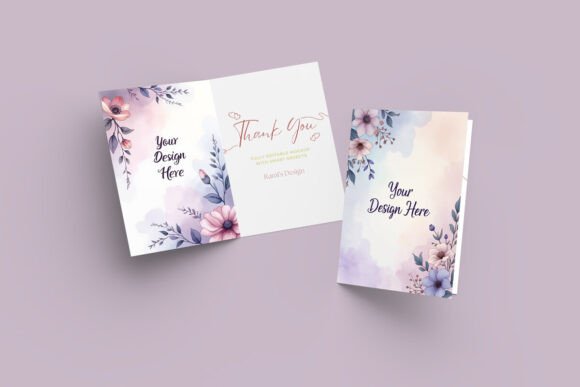
In the competitive landscape of graphic design, the final presentation can make or break a project's impact. A meticulously crafted Invitation & Greeting Card Mockup is more than a simple placeholder; it's a powerful tool for visual storytelling. This specific mockup offers a clean, elegant presentation that allows designers to showcase their invitation and greeting card designs with exceptional realism, bridging the gap between a digital concept and a tangible, emotional experience for the client or audience.
The Role of Realistic Mockups in Modern Branding
Effective visual communication hinges on context. A beautifully designed logo or intricate typography can lose its emotional resonance when presented on a blank, lifeless screen. A high-quality mockup provides that crucial context, demonstrating how a design functions in the real world. For branding projects, this is invaluable. It allows you to present a complete brand identity system—showing how a logo, color palette, and typography work together across physical collateral like cards. This strengthens the client's understanding of their brand's potential and builds confidence in the design direction.
Practical Applications for Creative Professionals
The versatility of a well-organized mockup file extends far beyond client presentations. It becomes a staple asset in a designer's toolkit for a variety of creative projects and marketing needs.
- Marketing & Social Media Content: Generate stunning, high-resolution graphics for Instagram, Pinterest, or Behance. A realistic card mockup can stop the scroll, showcasing your design skills or promoting a product like wedding suites or holiday stationery.
- Portfolio & Website Enhancement: Elevate your online portfolio with professional presentations that demonstrate attention to detail. It shows potential clients you understand not just design, but also the importance of final delivery and user experience.
- Digital Product Sales: If you sell design templates on marketplaces like Etsy or Creative Market, using a premium mockup to present your products significantly increases their perceived value and can boost sales.
- Editorial & Packaging Design: Use the mockup to visualize designs for magazine features, lookbooks, or to conceptually explore how a graphic might translate to physical packaging, aiding in the creative process.
Maximizing Impact with Smart Design Choices
Simply inserting a design into a mockup isn't enough. To achieve a polished, professional result, consider these key factors:
- Visual Hierarchy & Composition: Use the mockup's layout to guide the viewer's eye. The open interior and partially closed exterior allow you to highlight both the detailed message and the bold, branded exterior simultaneously.
- Typography & Readability: Ensure your chosen typefaces are legible within the mockup's context. The high resolution (3000 x 2000 px) is critical for maintaining crisp, readable text, especially for smaller details like event information.
- Color & Texture Consistency: Leverage the customizable background color and texture options to create a cohesive scene that complements your card design. This helps in building a strong, unified visual narrative that aligns with modern aesthetics.
- Workflow Efficiency: Smart objects and well-organized layers are not just features; they are essential for a smooth design workflow. They allow for rapid iteration, letting you test different color schemes or typography options in seconds, which is crucial for meeting tight deadlines.
Ultimately, the tools you choose reflect your commitment to quality. A professional Invitation & Greeting Card Mockup is an investment in your creative process, enabling you to present your work with the clarity and sophistication it deserves. By thoughtfully integrating such assets into your workflow, you not only enhance the visual appeal of your projects but also communicate more effectively, strengthen brand identities, and deliver a superior experience for your clients and audience. In the realm of design, how you present your vision is just as important as the vision itself.