Cheerful Design Assets: The Messy Bun Girl Tumbler Trend
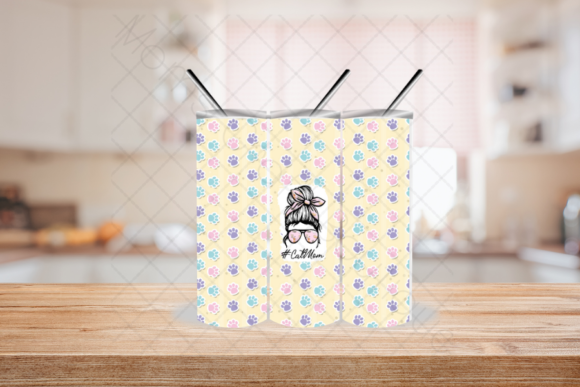
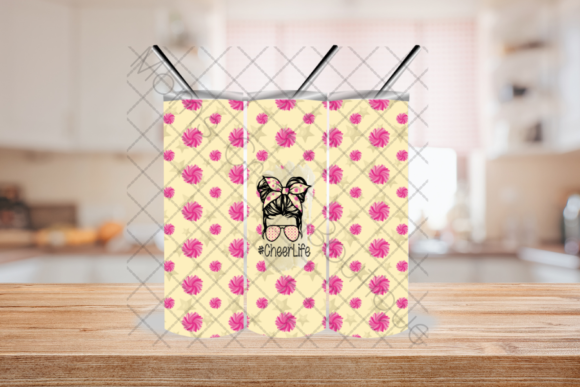
The "Cheer Life" aesthetic, often embodied by a casual "Messy Bun" girl graphic on a tumbler, captures a specific, powerful moment in modern visual culture. It’s more than just a cute illustration; it represents a shift towards authentic, relatable branding that resonates deeply with audiences seeking comfort and positivity. For designers and creators, understanding how to leverage such thematic assets is key to building connections in a crowded digital marketplace.
The Role of Thematic Graphics in Brand Identity
Effective branding hinges on consistency and emotional appeal. A well-designed graphic like the "Messy Bun" girl isn't just an image—it's a visual shorthand for a lifestyle, a mood, or a value system. When used strategically, it can transform a simple product into a statement piece. This approach is vital for creating a cohesive brand identity that feels personal and intentional, moving beyond generic stock imagery to foster genuine audience engagement.
For businesses, particularly in the creator economy, these assets serve as foundational elements for visual communication. They can be adapted across various touchpoints to tell a unified story.
Practical Applications for Creative Projects
High-quality, optimized design files are the backbone of efficient creative workflows. The true value of an asset like the "Cheer Life" design is its versatility. Consider these practical applications:
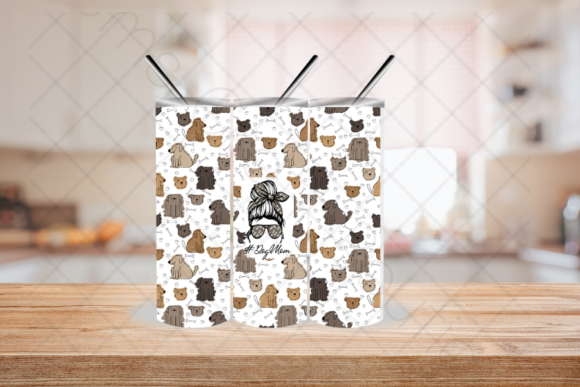
- Merchandise and Packaging: Applying the design to tumblers, apparel, or product labels to create appealing, market-ready goods.
- Digital Marketing: Integrating the graphic into social media posts, email headers, and digital ads to maintain a consistent and engaging online presence.
- Editorial and Web Design: Using the illustration in blog graphics, website banners, or e-commerce product shots to enhance the user experience and visual hierarchy.
Evaluating and Implementing Design Assets
Not all creative assets are created equal. When selecting files for professional use, several factors determine their utility and impact. The goal is to choose resources that enhance, not hinder, your design workflow and final output.
First, assess the file quality and format. A high-resolution PNG with a transparent background, such as a 400 DPI file, offers critical flexibility for both digital and print applications. This ensures scalability and clean integration into complex compositions. Second, consider the source and licensing. Ethical creation is paramount. Assets created with respect for intellectual property protect your business from legal risks and support a sustainable creative community. Finally, evaluate the asset's adaptability. Does it align with your existing color palette and typography? Can it be modified to fit different contexts without losing its core appeal?
Tips for a Cohesive Visual Strategy
- Maintain Consistency: Use the core thematic elements of your chosen graphics across all platforms to reinforce brand recognition.
- Prioritize Readability: Ensure any text paired with the imagery is legible and complements the design's style, supporting clear communication.
- Focus on Composition: Integrate assets thoughtfully into your layouts, paying attention to balance, visual hierarchy, and white space to create a polished, professional presentation.
Ultimately, the most successful creative projects stem from intentional choices. By selecting high-quality, ethically sourced design assets and applying them with a strategic eye for composition and audience, you can elevate your work from merely decorative to meaningfully communicative. Thoughtful design is an investment in clarity, connection, and long-term brand value.